Nicolas Weber: Who Are You Without Your Company?
Key points: Said at the table.
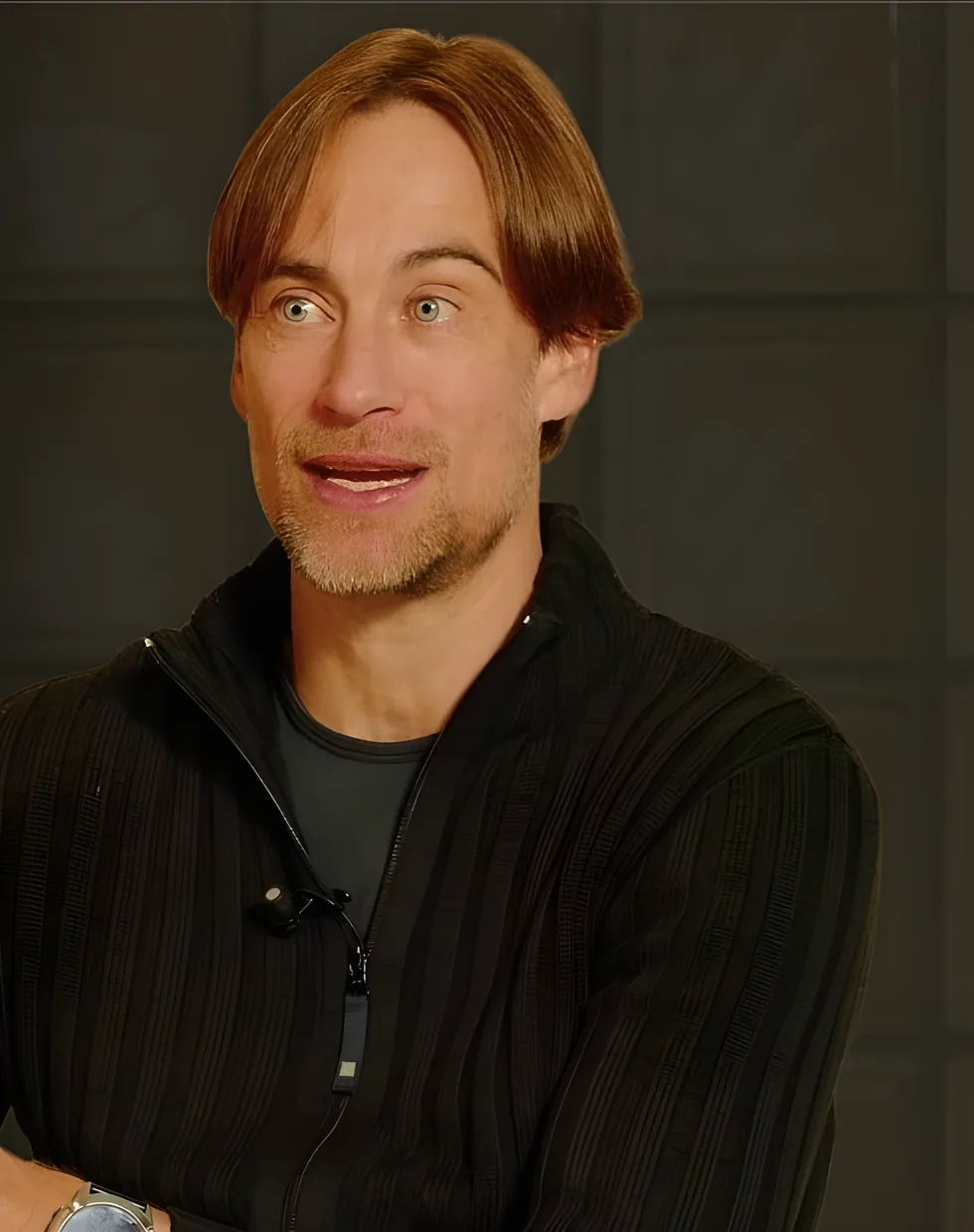
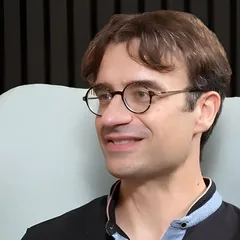
Who is Nicolas Weber?
Nicolas Weber has spent about 25 years in healthcare. After Siemens he and two colleagues built medneo, a radiology company that reached 550 people at its peak, and he moved from group CEO to the board. He now builds a brain-computer interface company, still in stealth, with a partner, and invests as an angel in healthcare.
- 550people at medneo at its peak, when he moved from group CEO to the board32:12
- 25years in healthcare, by his own count16:31
- 3founders behind medneo, who came together after years at Siemens10:25
- Early
Makes his parents' small jewelry manufacturing firm more efficient with IT
6:34 - University
Writes software for his parents' firm and starts an IT company with a friend
9:26 - Siemens
Ends up at Siemens near San Francisco by coincidence, his first touch with healthcare
13:43 - medneo
Co-founds it with two Siemens colleagues and later moves from group CEO to the board
10:25 - Today
Builds a brain-computer interface company in stealth and invests as an angel
44:51
Life After Selling a Business: What a 550-Person CEO Says
For Nicolas Weber, life after selling a business started with a plan: he decided to sell two years before he moved from CEO to the board. He built medneo to 550 people at its peak, moved from group CEO to the board and says he did not know who he was without the company.
On Deal Makers (& Fakers), host Niclas Schlopsna introduces medneo as a radiology company with more than 40 centers. Weber now builds a brain-computer interface company with a partner and invests as an angel through syndicates for healthcare and impact topics.
What is life after selling a business like for a founder who was the company?
Weber says people call entrepreneurship complete freedom. In some ways it is, in others much less, and at medneo it was clearly much less.
The gap he describes came while he was still running the company, before any handover. He was living and breathing the company, with nothing else left, and the only thing that kept him sane was his sport routine.
“I was at a point where I quite honestly didn't know who I am without the company”
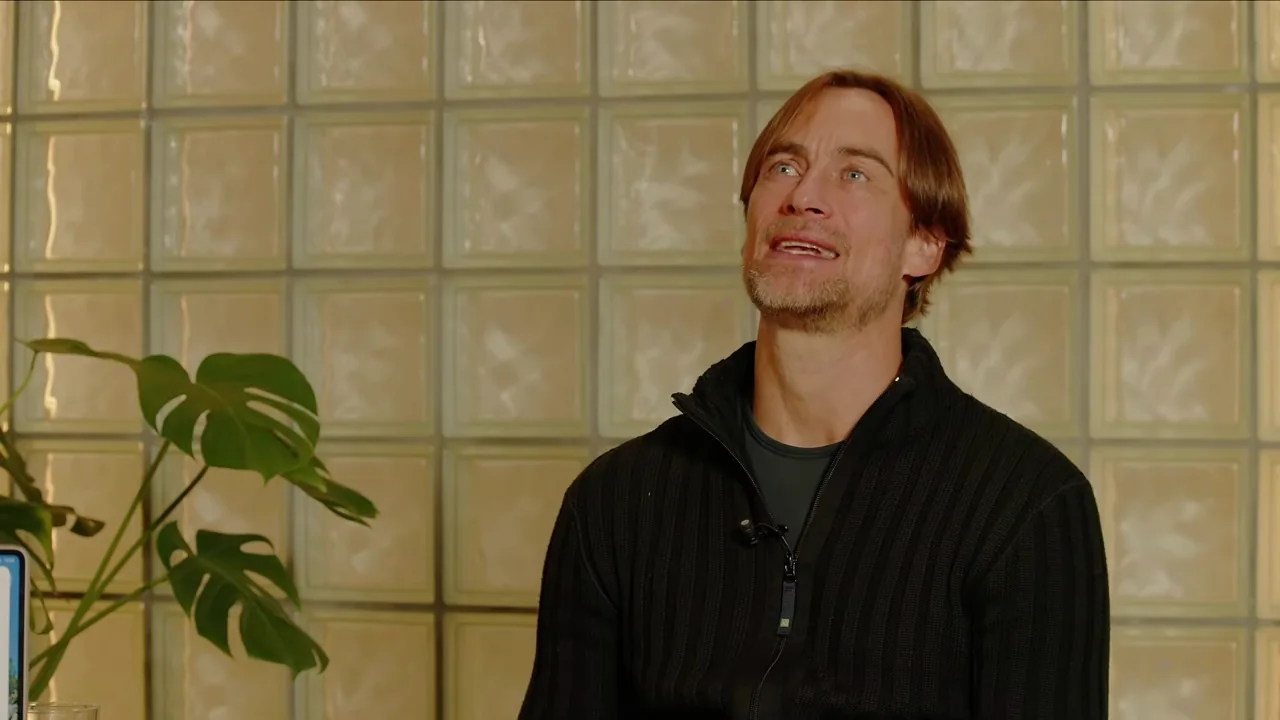
The host brings a version of his own: he has stopped feeling excited about wins, even big ones, and had told Weber so earlier: a dream client signs and he moves on to the next thing.
How far ahead should a founder plan the move from CEO to the sideline?
The host puts the sequence this way: Weber stepped back as CEO, joined the board and the company was sold. Asked when he decided to sell, Weber says it was two years before he moved from CEO to the board. It was partly about the company, partly personal.
His answer to not knowing who he was without the company was a plan, he says. It listed a few things he wanted to accomplish with and for the company, and once they were done he would move away from operational leadership.
He also didn't want to sell and then be on the hook for another two or three years, as with earn-outs and the other things that usually come with a sale.
The plan forced him to think about succession planning, how leadership was evolving and governance, plus intentional leadership design, which was close to his heart anyway. So the decision came long before the transition started.
For the company the transition might have been the bigger step; for him the biggest decision was a very lonely one.
Weber says the company was sold in parts: the group had a German, a UK and an IT business, and the different parts were sold.
Can sport and purpose fill the gap in life after selling a business?
If nothing else defines you, stepping out of the company leaves a big hole, Weber says, so he was deliberate about filling it before he jumped in. Sport is part of the answer, but it isn't his identity anymore.
He also did a lot of soul-searching, partly through the Entrepreneurs' Organization, which helped him understand himself. What drives him now is measurable high performance combined with a purpose that makes sense.
He ran a seven-day stage race across the Alps as one half of a pair, where each stage was about being on the starting line the next day. In a race and in building companies, the difference between a mental hole and crushing it is sometimes so super thin.
He and his running partner also raised funds for dementia alongside the race. That higher purpose was fundamental to the identity of the team around them, and on the trails it mattered in the tough moments.
In healthcare, purpose makes it super easy for him, he says, and it helps align an organization behind the work.
What do founders do after exit, and what do they build next?
Weber lists his own route as a corporate career, the path from zero to exit, then investing, mentoring and a few board mandates. Investor Andy Goldstein explains why he targets exited founders.
After some reflection Weber found that only giving advice from the sidelines wasn't so fulfilling; he is a builder at heart. Weber gives no rule for what to do after selling your business. He put one question to himself:
“What deserves my time for a decade? Because when you build something you need to be prepared that this is not something you just have as a nice toy for a few months and then you chase the next one.”
Peter, a partner in the same situation, was asking what comes next too, and they ran a structured process.
- Step 1: Ask what deserves a decade
Building is a long commitment, not a nice toy for a few months.
43:29 - Step 5: Ask what purpose they want
After a lot of iterations and shaping, a topic emerged that Weber feels deserves his time.
44:19
Nicolas Weber on Deal Makers (& Fakers), 43:29 to 44:34
Weber and Peter are building a brain-computer interface for consumers, aimed first at professionals and people who like performance. The company goes unnamed on air; Weber says it is still in stealth and slowly coming out.
About 16 years after medneo's first round, Weber is preparing to raise again. The first phase of the new company was self-funded, and the next step is a raise for external validation, because deep tech hardware requires capital.
What happens when you scale an organization to 550 people fast?
At medneo, the team opened a handful of centers that worked, then raised a lot of capital, equity and debt, to scale them. When some fundamentals in operations or software are not stable, scaling an organization fast means you're also scaling problems, Weber says, and cleaning up the structures took a few years.
Investors and lenders pushed for speed, and new markets took longer than anticipated, because you have to understand how the system works day to day.
Scaling an organization meant a new org chart every few months early on and a reshape at least once a year by the end, when the group reached 550 people at its peak. Diagnostic centers are very often managed by doctors; medneo had no doctors on payroll for the operation and developed completely new profiles.
What does a first priced round with only a PowerPoint look like?
Weber's first round at medneo, 16 years ago, was a priced round. It sits far from life after selling a business, and he says he would recommend doing all of it completely differently today. Ecosystems were less developed and the company had no access to angel networks, so not many things would transfer into recommendations now.
To open the first center, medneo had to raise significant funds. The founders were raising 3.5 million with a PowerPoint because they couldn't show anything. What they could show was preparation:
- A lease contract, already negotiated.
- A process map, detailed to the bottom.
- A financial model with all eventualities, which he calls surprisingly correct and still valid on unit economics.
They couldn't prove that customers and patients would adopt the model, so the round was a commitment from believers. It started with the founders' network out of Siemens, hospital CEOs and people in the industry.
Hospital managers typically know local entrepreneurs and banks, so the founders spoke to those networks too.
The individuals who came together as investors had never invested in startups before. IBB Ventures supported the company from day one and acted as an anchor investor.
Is healthcare startup funding easier at seed than at Series A?
“Depends on the stage. Pre-seed and seed, I would say, even easy to raise. A and B rounds, that's where the trouble begins in healthcare.”
- How hard it is to raisePre-seed and seed: Even easy to raise, he saysA and B rounds: Where the trouble begins in healthcare
- What the round rests onPre-seed and seed: A decent founder team with good access, puzzled together out of hope and network: a vision and a promiseA and B rounds: Unit economics, with traction maybe already expected; the later the round, the more business fundamentals and the less story
Nicolas Weber on Deal Makers (& Fakers), 24:13 to 26:22
Host Niclas Schlopsna pushes back: after Bits and Pretzels he had the feeling that many family offices skip early stage because valuations are crazy and wait for Series A or B. He asks why healthcare would be different.
Weber's answer is the moat, with regulation and market access behind it. The price is time. In his words, a cumbersome health business builds maybe 50, 60 or 100 percent growth year on year, while other businesses can have 2x in a month.
Models that replace or improve operators or patient outcomes might not offer a billion or 10 billion game at the end, he says, but the risk of a total failure is also much lower.
How does a healthcare angel find and decide on deals?
Angel investing is part of what Weber does today, and he does it through two main networks: Springboard Health, a dedicated angel syndicate for healthcare with people in all areas from single cell drug development to AI algorithms, and Better Ventures, an angel syndicate for impact topics.
Both bring deal flow and help him curate and decide. He invests his own money, so the decision is his.
For the syndicate side, Andreas Schmidt describes how a life science angel syndicate works with founders.
What are the red flags in a healthcare pitch?
Asked about red flags, Weber says most are more generic than healthcare-specific, and his example is the capital stack:
- Who owns how much, which startups often don't share at the start.
- Waterfalls, capital tranches and inflection points, important and sensitive for every startup.
- Gates: in healthcare things sometimes take longer than you want, and a company may not be able to have any revenue until it reaches a certain gate.
The waterfall is also why he is glad he didn't invest at the beginning in some healthcare companies that are successful today: they need to become huge before the angels are probably rewarded.
He recommends a very clear view on capital and on value creation for shareholders. Vlad Sarca, a VC, explains in his own episode why he treats uncoachable founders as a red flag.
Where can Europe still win in healthcare?
The host's last question is where Europe can still win in healthcare, and Weber sees a lot of places. Europe already has crazy cool med tech companies that brought innovation in niches, and a niche is fine in healthcare because the market is gigantic and everyone is a user.
He hopes for more of that in digital components, AI among them: the operating systems of operators, hospitals and outpatient centers, where he sees the highest leverage. The market is also kind of shielded, since success in the U.S. doesn't easily carry over to Germany, so he thinks Europe can build well in its niches and become relevant in the world.
For Weber, life after selling a business now means building again and backing healthcare founders as an angel.
Asked and answered.
5 questions this conversation answers, in plain words.
Weber gives no rule; his own timeline ran two years. Asked when he decided to sell, he says it was two years before he moved from CEO to the board. The plan he made then listed what he wanted to accomplish for the company first and pushed him to work on succession planning, governance and leadership design, so the decision came long before the transition started.
He gives no rule and describes his own case of life after selling a business. He says he was deliberate about starting to fill the gap before he stepped out of the company. Sport is part of the answer but it isn't his identity anymore, and soul-searching, partly through the Entrepreneurs' Organization, helped him understand himself.
Time. He wanted to move away from operational leadership once the goals he had set for the company were done, and he did not want to sell and then be on the hook for another two or three years.
Weber says it is, and that seed rounds get puzzled together out of hope and network, while an A round is about unit economics and traction. The price of that moat is time, and he illustrates the growth gap with a health business that builds maybe 50, 60 or 100 percent a year against others that can do 2x in a month. Regulation and market access still give it a moat. The host reads the market the other way.
Weber's example is the capital stack, which startups often don't share at the start: who owns how much, how waterfalls and capital tranches work and where the inflection points sit. Healthcare adds gates where a company may not be able to have any revenue for a stretch.
Talk to Nicolas, or keep listening.
What the host asks you to do once the episode ends, and where to go next.
- The guestCheck out Nicolas on LinkedIn
The host asks listeners to look at Nicolas Weber's LinkedIn profile and website, both linked in the episode description.
Said at 56:44Open his LinkedIn profile - The showFollow Deal Makers (& Fakers)
The host asks listeners to subscribe to the show.
Said at 56:54Follow on Spotify - Keep listeningAnother angle on healthcare angel investing
Andreas Schmidt describes how a life science angel syndicate works with founders, the investor side of the rounds Weber talks about.
Listen to Andreas Schmidt