Dr. Nick Kanopoulos: €18.6M+ for a Deeptech Startup During the Greek Crisis
Key points: Said at the table.
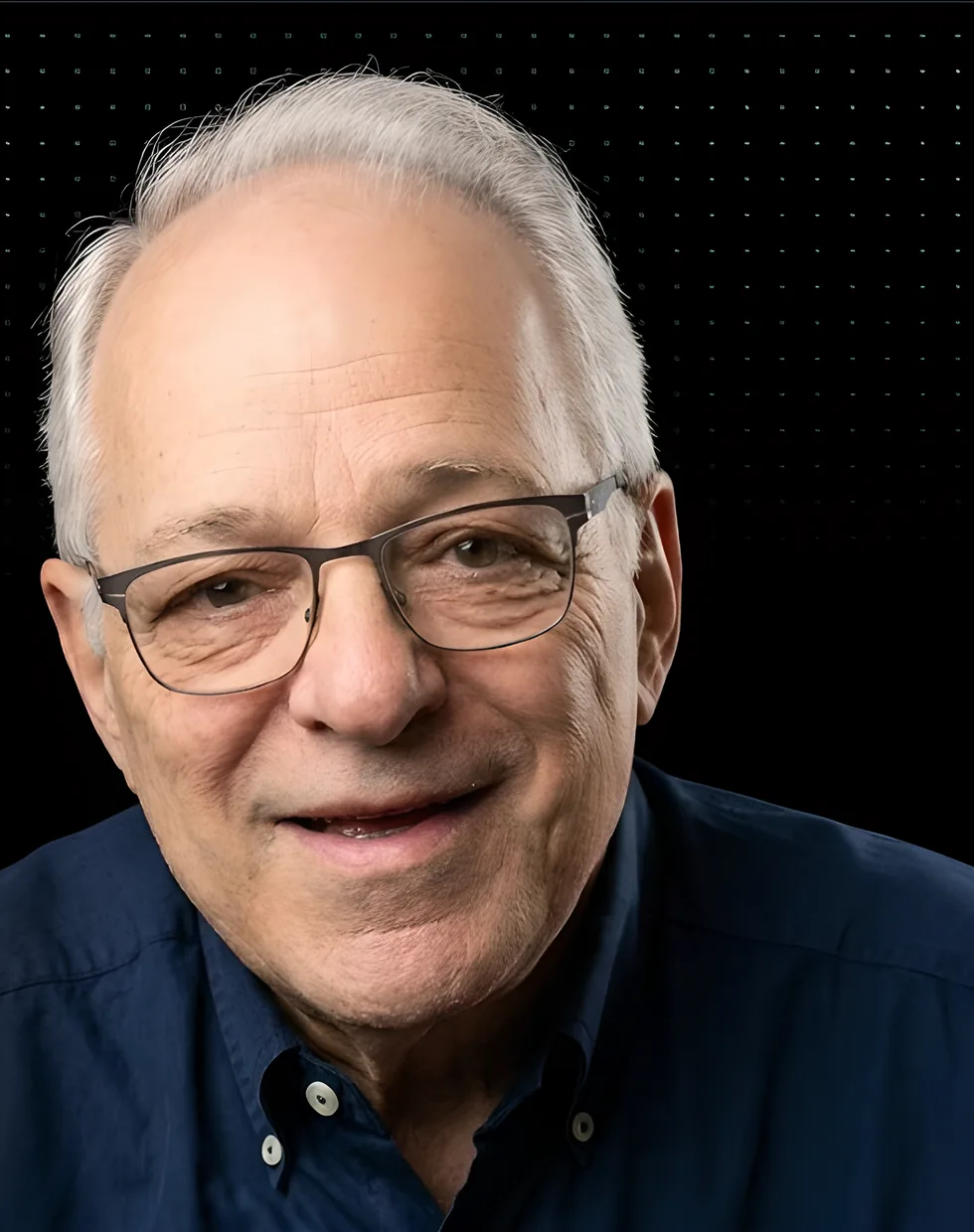
Who is Dr. Nick Kanopoulos?
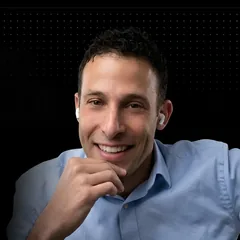
Nick Kanopoulos is the founder of Brite Solar, a Greek nanomaterials company that makes semi-transparent solar panels for farms. An electrical engineer with a background in semiconductors, he did his graduate studies at Duke University, lived in the U.S. for 31 years and started Brite Solar after that. He was the company's seed investor, with about $1.2 million of his own money.
- 31 yearsin the U.S., after graduate studies at Duke University, before he started Brite Solar1:32
- $1.2Mof his own money, put in as the company's seed investor, in two tranches8:07
- 15+countries where Brite Solar's panels are installed20:42
- Studies
Graduate studies at Duke University in North Carolina, with a background in electrical engineering and semiconductors
1:20 - Industry
Works at Applied Materials, in its solar division, on turnkey thin film solar panel lines
6:50 - Then
Starts Brite Solar after 31 years in the U.S.
1:32 - Factory
Completes a manufacturing facility in Patras, Greece
3:44 - Today
Founder of Brite Solar, raising a Series A+ of 3 million
20:21
How EIC Accelerator Funding Made Up Half of a Hardware Series A
Nick Kanopoulos won EIC Accelerator funding from the European Innovation Council for Brite Solar, which makes semi-transparent solar panels for farms. It came as blended finance: a grant for the R&D portion plus equity that made up 50 percent of his 8.6 million euro Series A. He puts the success rate at less than 5 percent.
Before the Series A, the founder was his own seed investor and relied on R&D contracts. The round then paid for a factory in Patras, and the EIC interview asked how a small company would handle a cheaper Chinese rival, patents and its supply chain.
How do you fund a hardware company before EIC funding?
Nick started Brite Solar with about $1.2 million of his own money, invested in two tranches. When he began, Greece's 10-year bond was yielding over 18 percent, and no investor in their right mind would back a startup there, he says. That forced him to be his own seed investor.
He had moved to Greece for family reasons, in the middle of a financial crisis he calls completely uninvestable. Even now a startup has it much harder there than in other European countries or in the US.
Next came R&D contracts: financing from European and Greek sources that paid for developing the product, about 10 million in total. He names no currency for it, or for the 3 million Series A+ below.
Together, the seed money and the R&D contracts took the product through validation in the field. Panels went up over different crops in different places without the coating, with very positive results, and separate experiments showed the coating helped plant growth.
Another founder, Emanuela Maggioni, combined public R&D grants with venture equity: of the £3.9 million she has raised, £2.9 million is venture equity from VCs and angels and almost £1 million is public R&D grants.
What is blended finance in the EIC accelerator?
Nick's EIC Accelerator money was blended finance: part grant, part equity. The grant covered the R&D portion, and the equity part carries a condition: it has to be matched with an equal amount of money before it can be accessed.
He applied over the platform for blended finance from the EIC fund, which he calls the largest technology fund in Europe.
For eligibility, budgets and deadlines, see the European Commission's EIC Accelerator page.
How hard is it to win EIC accelerator funding?
His was the first Greek company to receive EIC Accelerator funding, in the 2021 timeframe, and only three more from Greece have followed since.
“The EIC is a very competitive program. The rate of success is less than 5%.”
The proposal writing was fairly complicated and intense, he says. The interview that followed was with business people, some of them investors at VC funds, so he had to show the business case as well as the technology: that it can be manufactured at scale, that there's a market and that the price is competitive.
What do EIC interviewers and investors ask a hardware company?
The questions started with financial and market topics, among them how he would get market share. He remembers four more areas:
- China. What would stop a Chinese company from making the product at half his cost.
- Patents and freedom to operate. Whether you hold patents to protect yourself, and what happens if you step on somebody else's patent, bring the product to market and get sued.
- Europe-specific topics. Gender balance in the company, for example.
- Supply chain. How a small startup will manage it, since you need raw materials to build anything.
These questions matter for people who build hardware and need raw materials, he says. For a software or platform company they are probably not relevant; for a manufacturer, they can make or break the company.
His answer on China had three parts:
- Chinese patents. He filed in China as Chinese patents, through a Chinese patent legal firm, because they're easier to defend and enforce there than international ones.
- Nanomaterials. The panel is unique because of nanomaterials that enhance the light energy for plants, which Chinese panel manufacturers don't have.
- A line built for agrivoltaic panels. From the beginning, he says, not regular panels changed afterwards to make them agrivoltaic. The comparison below shows what that means when the transparency changes.
- Changing transparencyA regular panel line: The number of solar cells has to change, from X to a smaller YBrite Solar's line: Goes from one panel transparency to another very quickly
- Effort and downtimeA regular panel line: The transition takes time and effortBrite Solar's line: No need to take the line down for an extended period
- AutomationA regular panel line: It cannot be done automaticallyBrite Solar's line: The line is extremely automated
Nick Kanopoulos on Deal Makers (& Fakers), 18:01 to 18:49
Asked for a red-flag question, Nick names investors asking for revenue on a product he could not make: "How do you have revenue when we cannot make the product?" It was frustrating at the time, he says, though he didn't dislike the question: he explained.
When does a hardware company need a Series A round?
Nick doesn't know of an algorithmic way to tell when you are ready.
In his case the nano-coating decided it: no manufacturing line elsewhere in the world can make the coated panel under contract. Partners helped him make the semi-transparent panel without the coating at the start, but a coated panel was possible nowhere else. So Brite Solar needed its own manufacturing line, and that prompted the factory in Patras and the Series A round.
“For me, it was, I need money to build a factory.”
That money could not come from operations, and he needed the bulk of it at once.
All of the 8.6 million euro Series A went into the factory, and the factory took a couple of million more, which is why he was raising a Series A+ of 3 million at the time of recording.
Nick's EIC Accelerator funding brought no introductions to investors for the Series A: the EIC fund directly doesn't offer that kind of support, he says. Companies under contract with the EIC are meant to help awardees reach investors, but they serve every participant, from telecommunications to food production to medicine. So he finds it helpful, but not focused enough for a result in a short time.
The timing looked different for Juanjo Mestre: he raised his Series A after talking to four or five investors for almost a year, and two of them told him it was the right time.
How do you defend a Series A valuation?
The raise wasn't smooth, Nick says:
“The low point was always defending the valuation, because especially, being in Greece, valuations are even lower than Europe.”
Asked for an underweighted slide in a climate tech hardware deck, Nick describes a comparables slide: the last four years of comparable companies in Europe, invested in by European investors, and the normalized deal to revenue ratio of those investments.
When investors say the valuation may be high, he points to what other investors did in different European countries with companies doing something similar, such as panels for rooftops or very light panels.
For those deals the ratio is 18.1, so he tells investors the valuation of his company has to be 18 times revenue. The valuation in his closed Series A was lower than that, so by the comparables it isn't a high valuation. He gives neither his revenue nor his valuation figure.
Investors pass the slide very quickly and don't want to discuss it.
Why do some funds skip the company that builds a factory before it earns revenue?
Another low point in Nick's raise was telling Greek VCs about manufacturing hardware. They react badly and prefer soft technology companies like AI, because in manufacturing they see competitive issues.
In Greece, he sees a gap in the middle:
- Early stage. Companies can find a lot of funds in Greece.
- Above 10 or 20 million in revenue. Companies making, say, above 10 or 20 million in revenue can find funds too.
- In between. A company that has to build a factory first and only then start making revenue has the difficult part.
The host, Niclas Schlopsna, guesses that more capital providers need to focus on exactly this.
Nick agrees, especially for Greece, where he calls the problem big. The host adds that he thinks it's often about pre-seed in Germany at the moment, and most of the investors he speaks to want more traction and more proof that things work, which he thinks could be a difference to Greece.
Andreas Schmidt names a different gap: he calls early lead investors the big gap, since many VCs are happy to invest in rounds of 10, 20 or 30 million while the first few million is high risk and a lot of work.
What should a hardware founder do before raising a Series A round?
Nick, who won EIC Accelerator funding as part of his Series A, closes with advice for hardware founders. It is the order he followed himself.
- Step 1: Develop up to validation
Develop the company and the product up to and including validation.
28:17 - Step 2: Try OEM manufacturing
See if you can manufacture the product using OEM manufacturing somewhere.
28:23 - Step 3: If not, go for the Series A
If you cannot make it with OEM manufacturing, then go for the Series A.
28:30
Nick Kanopoulos on Deal Makers (& Fakers), 28:17 to 28:47
He adds that the more sales or traction you have, the easier it is to raise the money, and the less you have, the more difficult it will be.
Asked and answered.
6 questions this conversation answers, in plain words.
Part grant, part equity. For Nick Kanopoulos the grant covered the R&D portion, and the equity had to be matched with an equal amount of money before he could access it.
Very. He puts the rate of success at less than 5 percent and says it is not a widely accessible programme. His was the first Greek company to receive EIC funding, and only three more from Greece have followed since.
A complicated and intense proposal, he says, then an interview with business people, some of them investors at VC funds. He had to show the technology and the business case.
Not directly. The EIC fund itself offers no introductions to investors, he says. Companies under contract with the EIC are meant to help awardees reach investors, but they serve every participant, from telecommunications to medicine, so he finds the help useful but not focused enough for a quick result.
Nick's experience is that Greek VCs prefer soft technology like AI, because in manufacturing they see competitive issues. In Greece, he says, early-stage companies find funds, and so do companies making above 10 or 20 million in revenue. A company that has to build a factory before it earns revenue sits in between, and he calls that the difficult part.
He shows investors a slide of comparable European deals from the last four years. Their deal to revenue ratio is 18.1 and his closed Series A valuation was lower, so by the comparables it isn't a high valuation.
Talk to Nick, or keep listening.
Three things the host asks you to do at the end of the episode.
- For investorsReach out to Nick on LinkedIn
Niclas Schlopsna ends the episode by asking listeners to reach out to Nick with questions about his business, or if they may want to invest into the next round. Nick says Brite Solar is raising a Series A+ of 3 million.
Said at 28:58Open his LinkedIn profile - The showFollow Deal Makers (& Fakers)
The host asks you to subscribe, follow the show so you don't miss the next deal story, and share the episode with a founder or investor who needs to hear it.
Said at 29:16Follow on Spotify - Fundraising supportGearing up for a serious raise?
The host says that for support with your deck, numbers, strategy or investor outreach, you can find him and the spectup team at spectup.com or on LinkedIn.
Said at 29:26Visit spectup.com