Kirk Donohoe: From Mastercard to $5M from 20VC on a Weekend
Key points: Said at the table.
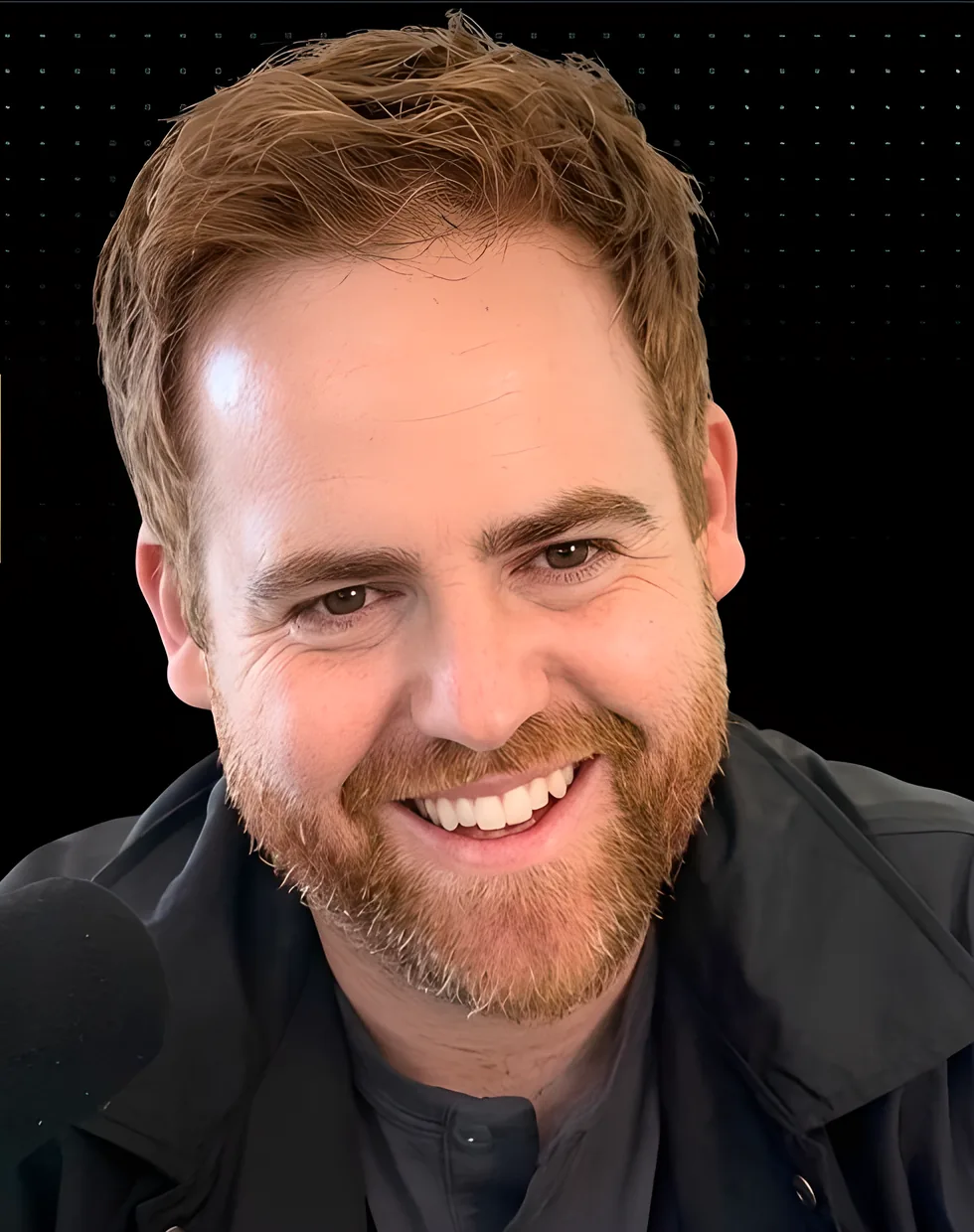
Who is Kirk Donohoe?
Kirk Donohoe is the founder of GRAND, which builds fintech infrastructure for what he calls the real world economy: builders merchants, manufacturers and supply chains. Before that he ran product innovation at Mastercard Labs, co-founded a payments company that MangoPay acquired, and then served as MangoPay's chief product officer.
- 12years or so since he met his two co-founders at Mastercard2:20
- CPOhis role at MangoPay, which acquired his first company, in the host's introduction0:12
- $5Mpre-seed GRAND closed, led by 20VC, in the host's introduction0:32
- Mastercard
Does product innovation inside Mastercard Labs and meets his two future co-founders
7:12 - COVID
Raises for his first company when COVID dries up his advisory work with the co-founders
17:24 - The sale
MangoPay acquires that company, and he becomes its chief product officer
0:12 - Today
Founder of GRAND, building fintech infrastructure for the real world economy
31:32
Stealth Mode Startup: When It Brings Investors to You
A stealth mode startup can attract investors if the founder has the credibility to back it up, says Kirk Donohoe, founder of GRAND. At his first company, started in the COVID period, his team put stealth mode up on purpose because they needed capital, and an investor reached out about three to four weeks in.
That first company is the payments company he co-founded, which MangoPay acquired. Host Niclas Schlopsna introduces him as a serial payments founder: he later became MangoPay's chief product officer, and earlier he ran product innovation at Mastercard.
Does a stealth mode startup attract investors?
If you're asking how to get investors to come to you, Kirk's number one playbook for a founder with a good CV that's public online is stealth mode. It works only with credibility behind it: a stealth startup founder with no profile and a name nobody has heard of can't pull it off, he says.
The move itself is the label, "stealth mode startup" on a public profile such as LinkedIn or on a stealth website, with the CV behind it. Asked by the host how the investor even knew them, Kirk points to advising startups inside Mastercard and, through his bootstrapped fintech advisory business, working with many more.
“If you come from decent brands in any role really, and you put stealth mode startup, you're going to get inbound. You really are.”
That first company started when COVID dried up the advisory work. His team needed capital and had 2 options, as he puts it: go fishing or leave the bait out. They left it out as a strategic decision, knowing that at some point someone would come knocking.
Emailing an investor, Kirk says, is a poor way to reach one, whatever investors tell you. Warm introductions beat it, and doing something that can't be ignored beats a warm introduction. A guide to getting warm introductions to investors covers that route.
An investor at Cavalry, now NAP, reached out about 3 to 4 weeks in.
The host is a critic of stealth mode and believes in going out as fast as possible, though he grants that it depends on the industry: if you first have to build technology and keep it secret, stealth makes sense.
Inbound can also follow going public. Marnix Stokvis tells how a podcast appearance brought him inbound investor messages, even though his round had already closed.
Is fear of copycats a good reason to stay in stealth mode?
Kirk agrees with the host's critique "to an extent". For a startup in stealth mode, the fear that someone will copy your idea is weak, in his view, particularly against an incumbent in an industry that has been around so long that it designs its 2026 roadmap in October 2025.
When a new startup appears, that incumbent has to go back to the board in Q1 or Q2, and the board asks how successful the startup is. The incumbent can't answer, because it has no KPIs or data. His verdict for those industries: "You might as well go out there and make some waves."
When does a stealth mode startup make sense?
Kirk gives no checklist, but 3 things run through his answers:
- You know the problem. Stealth helps you stay very focused if you know exactly what you're trying to solve, can articulate the pain points and have lived them.
- Your closest competitor is slow. If the nearest competitor is old, clunky and can't move fast, don't worry. In a fast-paced competitive industry, be a little cautious.
- You have credibility. A good CV that's public online is what makes the label bring inbound.
Stealth doesn't stop customer discovery, Kirk says: a stealth startup founder's LinkedIn profile or website doesn't mean you're not talking to customers. What happens behind the scenes, he adds, can be very different from the facade.
Niclas Schlopsna's own worry is software companies that could speak to their clients and improve their product, but don't. They come out of stealth and notice that nobody asked for what they built.
Nicolas Weber, who built the radiology company medneo to 550 people at its peak, is in stealth now: he says his brain-computer interface company for consumers is still in stealth but slowly getting out of it.
How should a stealth startup founder handle the first investor call?
The host asks whether the first call with that investor was a very informal conversation. Kirk credits the investor: the message that set it up had no formality, can we have a quick chat, would love to understand what you guys are up to.
On a call that starts that way, a structured pitch deck ready for 20 minutes of talking has already lost the investor's interest, in his view:
“You haven't demonstrated enough emotional intelligence for them to consider you.”
He calls that a very harsh position but says it's how he sees it: investors want to understand your story without you needing a visual aid to communicate it.
Niclas Schlopsna, who isn't an investor, shares the instinct: when leads show their deck on screen in a first conversation, he feels overwhelmed in a very negative sense and reviews the deck afterwards.
Kirk makes 1 exception, for a real subject matter expert: in a conversation that's flowing nicely, they can show what they've done and what differentiates them quickly and cohesively on a call, and he finds that impressive.
How fast did the first stealth mode round close?
For that first stealth mode startup, Kirk thinks the round with the first investor took 2 or 3 calls over a very short period of time, at pre-seed, pre-product and pre-revenue. The process was typical of how a VC operates, he says: "Pretty straightforward."
His fast fundraising advice starts with a warning against time-boxing the raise. He hears founders say they'll kick off fundraising in 2 weeks and run it for 6, and he says that sets you up to fail, because you're "time boxing something as if it's a sales cycle".
Show investors urgency, he says: tell them the raise is a distraction, that you need money to accelerate the business and are devoting a fraction of your time to it, and that it has to be done quickly. Left to their own pace, investors will drag it out and find excuses or negatives for a company with no product and no revenue.
Florian Myter's lead-up ran longer. He spent 6 to 8 months building trust with a university-linked VC before spinning off, sending updates on what was done and what came next.
Can fast fundraising close a round in one weekend?
Kirk's own approach is to get a round done over a very quick period, with the weekend as a test of the investor. The question behind it: do you want to be married to that VC?
“Use the weekend as that period of time. It shows really if that VC will be there for you when you really need it.”
If you work 24-7 or 100 hours a week, he explains, Saturday and Sunday are those hours, and you want to be able to WhatsApp your VC and see if they're there. Fast fundraising is possible if you have the right network and contacts, he adds.
GRAND's round is a different, later raise: Kirk started it by telling investors he already knew that he was ready, and he describes no stealth label and no inbound message for it. In the introduction, host Niclas Schlopsna says GRAND closed a $5 million pre-seed led by 20VC, and that Kirk told him it came together in a single weekend.
NAP, the Cavalry investor from his first company, came into that round too. Kirk calls the relationship strong; he had met its managing partner a few times, and when he said he was ready, the answer was that they were ready.
He had worked with Harry Stebbings before, at the VC firm Stride. When he sent Harry a WhatsApp saying he thought he was about to go again, the reply was "let's chat". A call followed about an hour later, on what he thinks was a Friday, then a call on Saturday and another on Sunday.
Kirk's own account is 3 calls from Friday to Sunday, and he never says when the round was signed.
- InvestorsFirst company: Cavalry, now NAP, reached out to themGRAND: Ones he already knew, including NAP and Harry Stebbings
- How it startedFirst company: A message from the investor: "can we have a quick chat"GRAND: His WhatsApp to Harry: "I think I'm about to go again", answered "let's chat"
- CallsFirst company: Maybe 2 or 3 over a very short periodGRAND: One about an hour after the WhatsApp, probably a Friday, then Saturday and Sunday
Kirk Donohoe on Deal Makers (& Fakers), 17:54 to 35:19
What should fintech founders know before they raise?
Fintech, Kirk says, is "kind of a dangerous industry if you get into it and you just think you can build something nice on top and hope it all works out."
For fintech startup funding, investors will ask how you'll make money. A lot of the innovation is in the economics, he says: lower default rates, a higher take rate in payments, and only 2 or 3 pillars to where fintechs make money.
Regulation needs people. Your compliance posture won't be solved by an AI coding tool, he says, and "you can't go tell a regulator that the agent is doing it at the weekend for you." AI does help you code 5 times quicker than five years ago.
Should you launch as a stealth mode startup, and in what order does a raise run?
The order below is this article's own framing of how a raise can run, built from the two raises Kirk tells.
- Step 1: Put the label up with credibility behind it
At his first company, an investor at Cavalry, now NAP, reached out about 3 to 4 weeks in.
17:54 - Step 2: Answer with a quick, informal chat
The message was "can we have a quick chat". In his view, a 20-minute pitch deck would already have lost the investor.
21:52 - Step 3: Keep it to 2 or 3 calls, and show urgency
He recalls maybe 2 or 3 calls over a very short period. He tells investors the raise is a distraction that has to move fast.
23:56 - Step 4: Use the weekend as a test
At GRAND, with investors he already knew, the calls ran from Friday to Sunday.
34:50
Kirk Donohoe on Deal Makers (& Fakers), 17:54 to 35:13
Whether to go stealth comes first, and the 3 things from his answers are the test: a problem you know, a nearest competitor that is slow and a CV that's public online, the one that makes the label bring inbound.
Asked and answered.
5 questions this conversation answers, in plain words.
At his first company, Kirk Donohoe's team knew they needed capital, left the bait out and knew someone would come knocking. Stealth also helps a founder stay very focused when they know exactly what problem they're solving, can articulate the pain points and have lived them. For a stealth mode startup that needs funding, he treats the label as a strategic decision.
For a founder whose CV is public online, Kirk Donohoe's number one playbook is putting stealth mode up, which only works with credibility behind it. Emailing an investor is a poor way in; a warm introduction beats it, and something that can't be ignored beats both.
Kirk gives no maximum stealth duration. At his first company the team did not plan to stay in stealth for long, and an investor at Cavalry, now NAP, reached out about three to four weeks in.
It depends on the industry, Kirk says. A startup in stealth mode should be a little cautious in a fast-paced competitive industry, but if the nearest competitor is old, clunky and can't move fast, don't worry. Stealth also keeps a founder focused when they know exactly what they're solving.
No. A stealth label on LinkedIn or a stealth website doesn't mean a team isn't talking to customers, Kirk says.
Talk to Kirk, or keep listening.
The episode ends without a call to action, so these are the next steps that follow from the conversation.
- The companySee what Kirk is building at GRAND
Kirk describes GRAND as fintech infrastructure for the real world economy, starting with a product called Profile.
Visit GRAND - The guestFollow Kirk Donohoe on LinkedIn
Kirk's LinkedIn profile, where he is listed as part of GRAND.
Open his LinkedIn profile - Keep listeningHear how a podcast brought inbound investor messages
Marnix Stokvis tells how a podcast appearance brought him inbound investor messages.
Listen to Marnix Stokvis - The showFollow Deal Makers (& Fakers)
Founders and investors on how they raise and invest.
Follow on Spotify