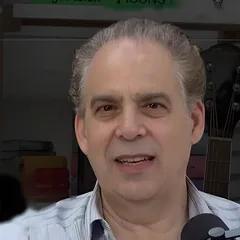
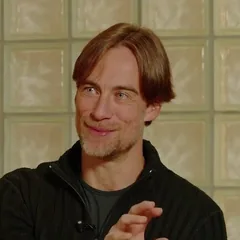
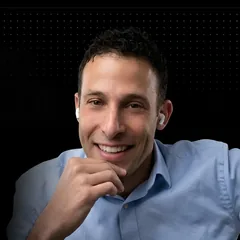
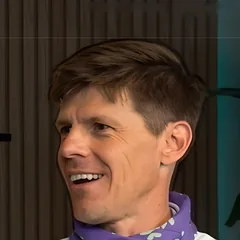
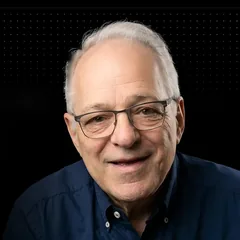
Dr. Andreas Schmidt: The Biggest Problem in Fundraising Isn't Money
Key points: Said at the table.
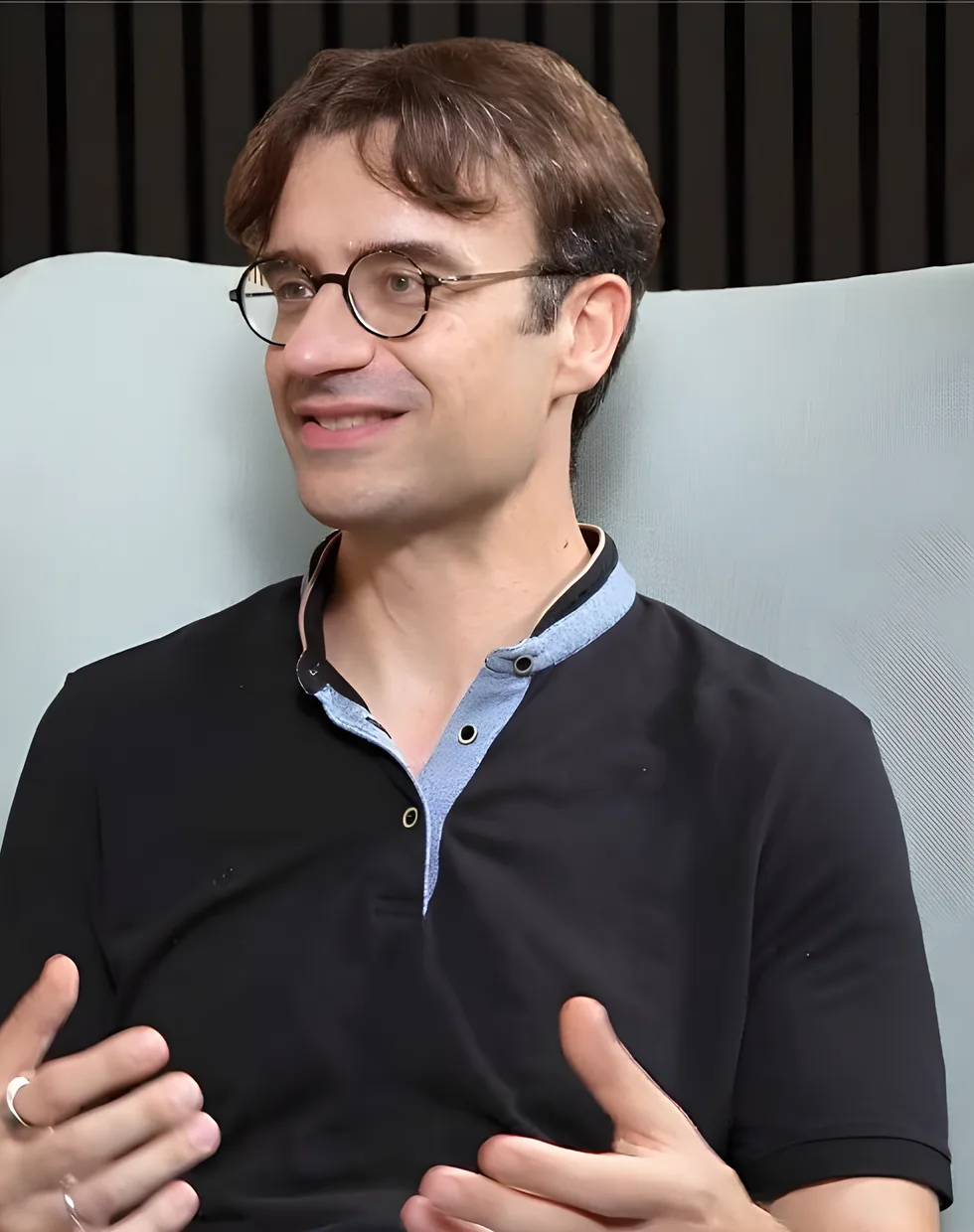
Who is Dr. Andreas Schmidt?
Dr. Andreas Schmidt is an investor at Springboard, a syndicate of life science angels that is turning into a venture fund. He went to the US as a student and stayed on for a PhD, then took a job offer in Singapore and became CEO of his first company within weeks. After he sold his second company he built the syndicate, which has made more than 30 investments.
- 15years running biotech companies, in the host's introduction0:20
- 30+investments Springboard has made39:57
- 2companies he ran as CEO, where his job was funding44:58
- Student
Goes to the US as an undergrad and stays on for a PhD
2:34 - After the PhD
Takes a Singapore offer and is CEO of his first company weeks later
5:35 - Exit
Sells his second company, Proteona, after a half-joking remark and three months
52:59 - Today
Investor at Springboard, an angel syndicate turning into a venture fund
2:01
Biotech Startup Funding: The Bottleneck Is the Lead Investor
What is the biggest bottleneck in biotech startup funding? Dr. Andreas Schmidt, an investor at Springboard, an angel syndicate that is turning into a venture fund, says it is the lead investor, because too few investors will commit to the first few million.
In Andreas's telling, the lead is the investor who brings the term sheet and the due diligence so that others can follow. As host Niclas Schlopsna sums up, Andreas went from the lab to CEO of his own startup, then an exit, then the syndicate.
Why do VCs skip the first few million of biotech startup funding?
The overall pool for biotech funding is too small as well, he adds. In life sciences venture capital, plenty of VCs are happy to invest in a 10, 20 or 30 million round, but the first few million are high risk and a lot of work, for a small ticket and a return that might not give a huge exit.
A VC finds it far more convenient to put 10 million into a 50 million round. Here is the contrast as he draws it:
- The ticketVC in a 50 million round: 10 millionSpringboard as lead investor: Often the smallest check that can get the round closed
- The workVC in a 50 million round: Much less, shared with other investorsSpringboard as lead investor: A term sheet, clinical strategy, a board director and due diligence reports
- The riskVC in a 50 million round: Numbers seen, due diligence done by others, performance visibleSpringboard as lead investor: The first few million: high risk and a lot of work
- The timingVC in a 50 million round: A known number of years to the exit, in line with fund timelinesSpringboard as lead investor: Matching money and private investors gain the confidence to join
Dr. Andreas Schmidt on Deal Makers (& Fakers), 39:55 to 41:10 and 43:20 to 44:10
“From a society perspective, it's a disaster. If you have a lot of technologies, we put in a lot of taxpayers' money. And then we have a lot of startups that are trapped in fundraising for three years.”
Those startups have good teams and good technology; they are simply too late.
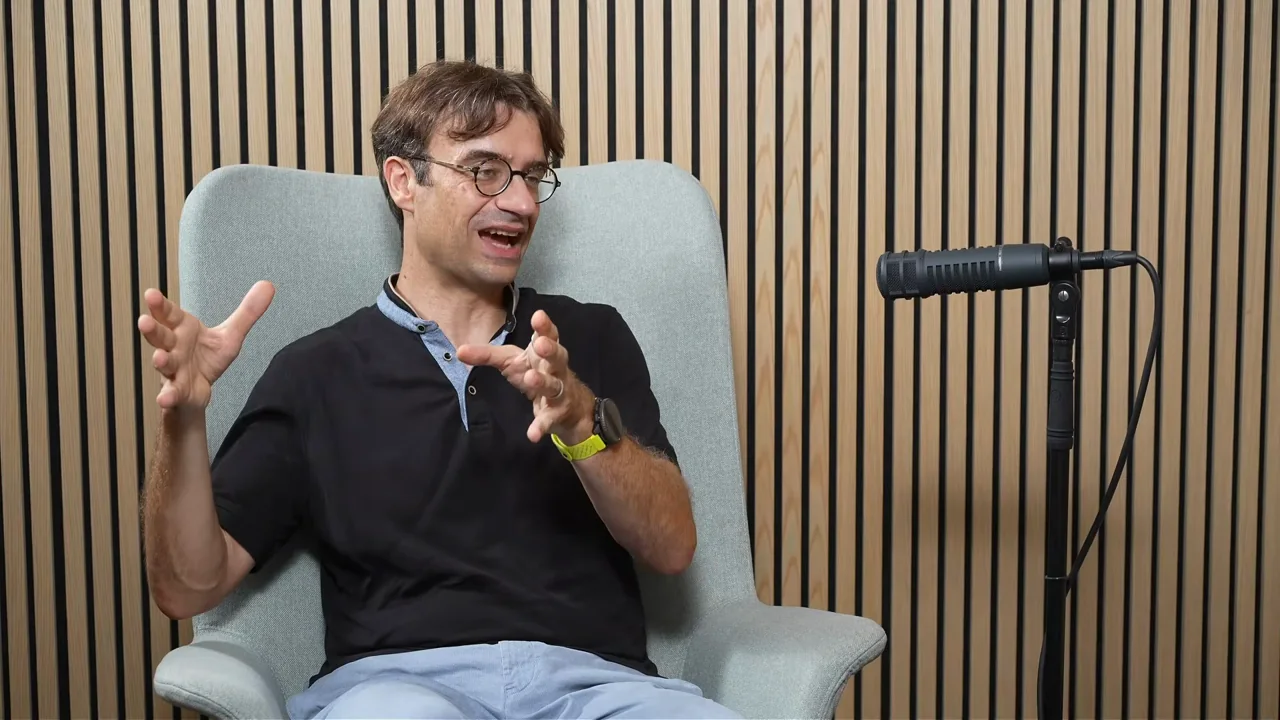
Many entrepreneurs assume venture capital by default, and it makes him bite his tongue. For therapeutics it is probably the only way to go, though: you will have no revenue for the next 10 years.
What does a lead investor bring besides the biggest check?
Springboard has made more than 30 investments, and Andreas says it often wrote the smallest check that could get a round closed. The team asks how much it has to invest so that others have the confidence to close a round of 20 million.
At Captain T Cell, Springboard was lead investor and still one of the smaller ones. Its package gave matching money and private investors the confidence to call the company credible.
Many people think the lead commits the biggest ticket, but that isn't necessarily true, he says. Often it is, but there aren't enough lead investors. Springboard stepped up as an angel syndicate because many of its members are founders at heart and see the founders' side of biotech startup funding.
As an independent board director, he kept seeing founders annoyed by the questions of well-meaning investors who didn't understand what the founders were doing. Springboard was born from that: a syndicate of 50 angels with decades of life science experience, many of whom ran, built and exited companies, investing their own money.
Founders hear the same line a thousand times, he says: great team, great opportunity, we will invest a little later. When his first lead investor, Wellington Partners, came in, a lot of investors who had said no called within days and weeks to say they had always meant to invest.
Armon Sharei explains why he prefers committed investors to brand names: brand names did nothing at the next speed bump, while less known investors tried hard.
Should a biotech startup take non-dilutive funding?
Non-dilutive money is one part of biotech startup funding, and Andreas says to grab any of it, because there isn't enough money in the system, and to be smart with it.
Often, he says, grant holders think: I have the funding, I have 2 years, and as long as I hit what I wrote in the proposal, I'm fine.
“That's completely wrong. If you have non-dilutive funding, you have some runway, then you have to go out to fundraise real private money.”
The host asks whether many get grants who should not. Andreas says probably yes: he sits on the jury of many schemes and tries to push them toward business goals.
When nobody raises a hand to be CEO, he says, "it's not a startup. It's a research project".
Nick Kanopoulos shows how he won blended finance from the European Innovation Council: research and development costs covered by a grant, the rest as equity, together half of his Series A. He puts the program's success rate under 5 percent, and the equity part can only be accessed by matching it with an equal amount of money.
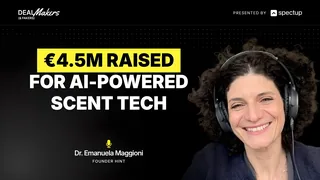
Emanuela Maggioni, CEO of a scent technology startup, shows how a grant paid for medical grade studies: her company raised venture equity from VC and angels alongside public R&D grants, and one of those grants paid for the medical grade studies.
Founders weighing grants against other routes can compare venture debt, revenue-based financing and grants in spectup's guide to non-dilutive funding for startups.
What do investors want to see before a biotech has revenue?
Most biotech companies are pre-revenue, and a drug developer always is, Andreas says, with at best clinical data of some stage.
He looks at scientific credibility: publications in Nature, a good university, what the patent protects. That is great, he says, but it is convincing when founders switch within the first few minutes to the business: 3 customers, already repeat users.
Without revenue, Springboard looks for four signals:
- Step 1: Customer validation
Repeat usage, or early money from a partner who pays for a service or product.
26:52 - Step 2: A real need behind the letter of intent
A letter of intent costs little, so the team checks whether the partner will write a check or commit resources.
27:35 - Step 3: A founder who knows who signs
Which customers can be addressed, and who in a large pharma company can sign an agreement.
28:17
Dr. Andreas Schmidt on Deal Makers (& Fakers), 21:02 and 26:52 to 28:17
Serial entrepreneurs attract him because they know who to talk to, though he is realistic: you don't have to be a serial entrepreneur.
“So there's one trick around the word revenue. Once you call it revenue, every investor in the world will put it down in their mind as revenue.”
- How investors read itCall it revenue: Every investor puts it down as revenue and asks how you make at least 3 times that next yearCall it a partnering project: The partner pays for all the resources and has skin in the game
- The riskCall it revenue: If it cannot scale, you are already in the defenseCall it a partnering project: Framed differently, so it is not judged as revenue
- His ruleCall it revenue: Only once you are ready to scale itCall it a partnering project: Otherwise, call it this
Dr. Andreas Schmidt on Deal Makers (& Fakers), 30:07 to 30:50
He says the second framing avoids the quarterly reports investors ask for otherwise, and he got that advice early from his lead investor of the time.
Why must a biotech startup think global from day one?
In biotech, Andreas says, almost every business model is global, so you can't go step by step. German founders who test at home, then go to France, the UK and Sweden, then maybe the US fall into a trap: "Realistically, by then, it's too late."
Springboard's biotech startup funding follows the same map: it typically invests in companies that can build a bridge to Europe or from Europe to something else, and its 50 angels sit in San Francisco, Boston, Singapore, Basel and across Europe.
He tells founders to understand customers in the most important hubs, such as Boston, San Francisco, Singapore, Shanghai, Munich, Berlin, Paris or London, and to make an active decision about the market: can I reach the customers who care about my solution?
How do life science experts spot a hollow pitch early?
Andreas calls Theranos a great showcase for how not to invest in life science. His first company analyzed even smaller droplets of blood, very close to what Theranos claimed, so it was clear to him that Theranos had nothing interesting on the technology side: you would find publications and incredible people behind it. Theranos used systems from established players and made wild claims without ever showing evidence.
“We all have been scientists trained to look at Nature and Science papers. If you can't show anything like that, you probably don't have anything.”
The Theranos investors were all people from outside life science, he says, big names from politics, private wealth and private equity, and that should ring alarm bells.
He raises a similar worry about family offices: a family-owned car-parts supplier that wants to back one or two cell and gene therapy startups just because it has something to do with cancer probably shouldn't. He wants Springboard to be one of the bridges that lets Mittelstand and generational family money invest confidently in things that can change health.
How can a talk with a competitor turn into an exit?
Young entrepreneurs are often careful with competitors, Andreas says, and he totally disagrees: your competitors should be your best buddies. You can compete in one area, partner in another and might get an acquisition offer.
"You typically don't sell a company, you are getting bought," Andreas says. His second company, Proteona, was bought after a chain of conversations:
- He was chatting with 10X Genomics, the market leader in his field, and with another company about a supply agreement or a partnership.
- In a half-joking way he said the other side could also buy his company.
- By the end of the conversation it was a handshake.
- 3 months later the deal was done, in the middle of Corona, all virtual.
The host asks whether he had prepared for that decision. Andreas says you sometimes can't be prepared: you have to see what doors open and then be able to commit.
What should a founder do about biotech startup funding while leads are scarce?
Fundraising never ends, Andreas says: after the funding is before the funding. As CEO of both his companies, his job was funding, with a second and a third closing and quarterly reports to the investors he wanted in the next round, so that they know him before he pitches.
He is a fan of looking more creatively at how to build a company: early revenue is better than anything else, and a few angel tickets followed by revenue is, in his words, totally amazing.
His final advice to people building in life science is that now is the time: "the coolest companies are born in difficult times. Now it is tough. If you survive now, you will have a bright future."
Asked and answered.
7 questions this conversation answers, in plain words.
According to Dr. Andreas Schmidt of Springboard, the biggest bottleneck is lead investors. Biotech funding also lacks money overall, and in life sciences venture capital the first few million are high risk and a lot of work, so too few investors commit early.
No, not necessarily. Many people assume the lead commits the biggest ticket. Often it does, Andreas says, but it isn't a rule. At Captain T Cell, Springboard was the lead investor while being one of the smaller ones, and brought a term sheet, clinical strategy, a board director and due diligence reports.
Yes, as runway. Andreas says to grab any non-dilutive money, because there isn't enough money in the system, and to be smart with it. The mistake is treating two years of grant money as the plan: after it, founders still have to raise real private money. He sits on the jury of many such schemes and tries to push them toward business goals.
Signals other than revenue, says Andreas. One is customer validation: repeat usage, or a partner who pays for a service or product. A letter of intent costs little, so Springboard checks whether the partner would write a check or commit resources. He also wants founders who know which customers they can address and who in a large pharma company can sign, and who are committed enough to bet a year or two on it. Scientific credibility is expected, but he is convinced when the business comes up within the first few minutes.
Only when it can scale. Once it is called revenue, investors expect you to explain how you make at least three times as much next year. Otherwise, Andreas says, call it a partnering project where the partner pays for the resources.
Andreas says yes: almost every business model in biotech is a global one, so founders can't go step by step. A German founder who tests at home, then France, the UK and Sweden, and only then the US, is too late by the time the US comes. Springboard itself typically invests in companies that can build a bridge to Europe or from Europe to something else.
Andreas says the Theranos investors were all people from outside life science: big names from politics, private wealth and private equity. Scientists are trained to look for Nature and Science papers, and a company that can show nothing like that probably has nothing. He adds that real experts saw early that the promises could not work, and that it was only a question of time whether it became a huge scandal.
Talk to Andreas, or keep listening.
Four things Andreas and the host point to on air.
- For foundersPitch Springboard if you are committed
Andreas says startups with cool technology in life science, early on and truly committed to the business, are who should reach out.
Said at 50:04Visit Springboard Health Angels - For investorsJoin as an angel or limited partner
Family offices, angels, VCs and wealthy individuals who want to invest in deep tech life science can join as an angel or as a limited partner in the VC firm. He says he is happy to talk.
Said at 50:55Talk to Andreas on LinkedIn - EventsRun with the team, or meet it at BioCAP
In Munich the team holds a Pitch and Run once a month, a casual way to get to know how it thinks. He also names BioCAP, the biotech, AI and capital conference in Berlin that he supports, next in June.
Said at 51:18See Springboard's events - The showFollow Deal Makers (& Fakers)
The host asks you to follow the podcast and check the description to see what Andreas is doing.
Said at 58:50Follow on Spotify